If you’ve found mold in your home, one of the first questions is what it will cost to fix. There isn’t an honest one-size-fits-all number, because the price depends on what’s actually there. Here’s what drives the cost of mold remediation for Philadelphia-area homeowners, based on EPA guidance, and how to get a real number for your home.
How much does mold remediation cost?
It depends on the job. Two homes with mold can need very different amounts of work, depending on how much mold there is, where it’s growing, what it’s growing on, and what caused it. The only way to get an accurate number for your home is to have it inspected. Our inspections and estimates are always free.
Does the size of the moldy area affect the cost?
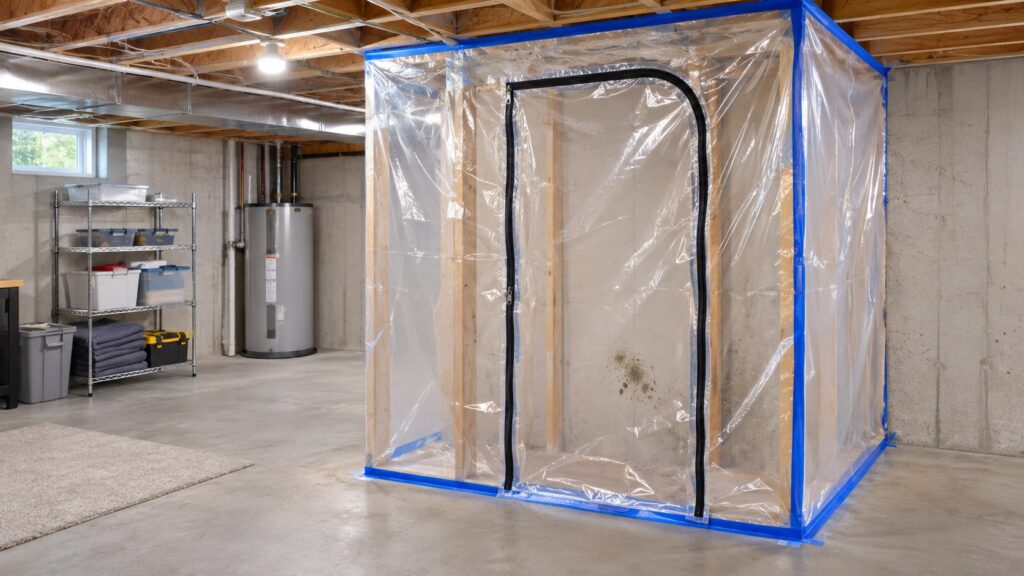
Yes. The size of the area shapes how the work has to be done. The EPA says that if the moldy area is less than about 10 square feet, homeowners can usually handle the cleanup themselves. For larger areas, its remediation guidance calls for containment to keep mold spores from spreading to the rest of the building:
- About 10 to 100 square feet: the EPA generally recommends limited containment, an enclosure made of a single layer of plastic sheeting.
- More than 100 square feet: the EPA recommends full containment, with double layers of plastic sheeting between the moldy area and the rest of the building.
Larger areas call for more containment and more protective equipment.
What if there’s more mold than I can see?
That happens. The EPA notes that indoor mold growth may not be obvious, and that if hidden mold is discovered, the remediation plan should be revised to account for the total area. A musty smell with no visible source is one reason the EPA says to suspect hidden mold. Because the full extent isn’t always known until the work starts, the scope of a job can change once materials are opened up.
Do moldy materials have to be removed?
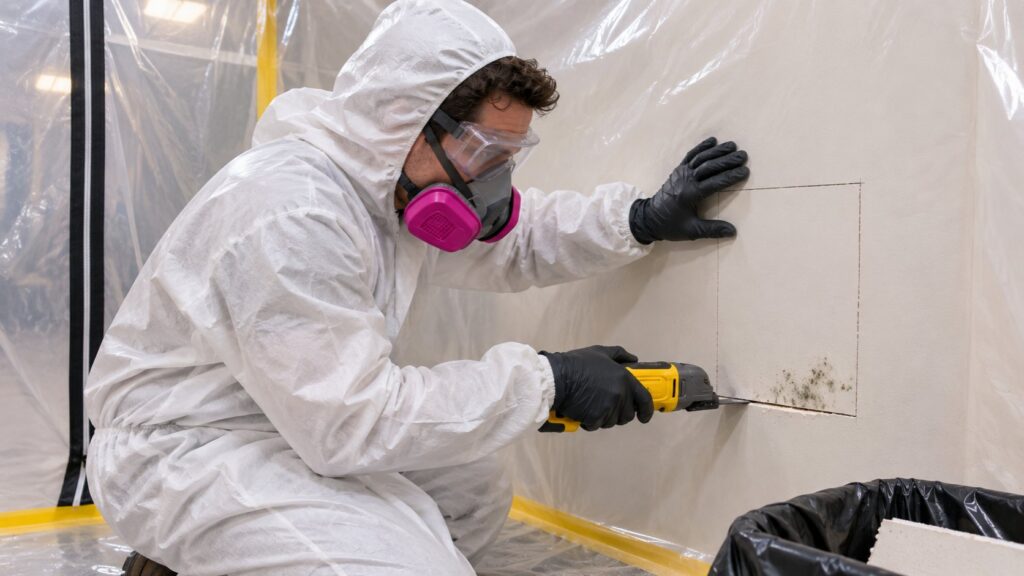
Sometimes. According to the EPA, porous materials that are wet and have mold growing on them may have to be discarded, because mold can get into porous materials. When materials have to be removed and replaced, that adds to the scope of the job.
Why does the moisture source matter?
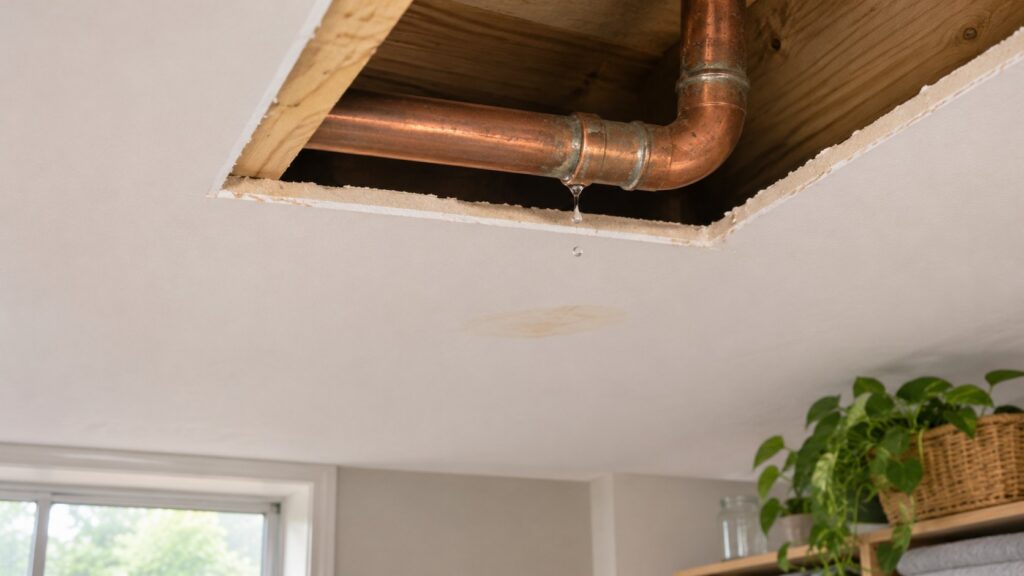
Mold needs water to grow. The EPA is direct about this: if you don’t address the source of the moisture, the mold problem may simply come back. That means the cause, whether it’s a plumbing leak, a roof leak, or high humidity, needs to be fixed as part of the plan. Depending on the cause, that repair may be done by another trade, such as a plumber or roofer, so it’s worth planning for when you think about the total cost.
Will insurance pay for mold remediation?
It depends on your policy and on what caused the mold. Coverage for water damage generally depends on whether it was sudden and accidental or developed over time. We explain how that works in What Does Homeowners Insurance Cover for Water Damage in Pennsylvania? Your agent or insurance company can tell you what your policy covers.
How Pro Home Restorations handles mold remediation
Here’s how our IICRC-certified team handles it:
- We inspect for free and give you an estimate, so you know the scope before any work starts.
- We test to confirm what’s there.
- We contain the area so mold isn’t spread through the rest of your home.
- We remove the mold safely.
- We work directly with your insurance company.
- Our work is backed by our 3-year transferable warranty.
Learn more about our mold testing and remediation services, or read why painting over mold doesn’t solve it. You can also read the EPA’s Brief Guide to Mold, Moisture, and Your Home.
What areas do you serve?
We serve Philadelphia and Delaware, Montgomery, Bucks, Chester, and Berks counties.
Want to know what your mold problem will take?
Call us 24/7 at (484) 948-7710 or contact us online for a free inspection and estimate.