
Water damage is one of the most confusing parts of homeowners insurance. Two Philadelphia-area homes can have water on the basement floor on the same night, and one may be covered while the other isn’t. The difference usually comes down to where the water came from and how it got there. Here’s how coverage generally works in Pennsylvania, and what to do before and after water gets in.
Does homeowners insurance cover water damage?
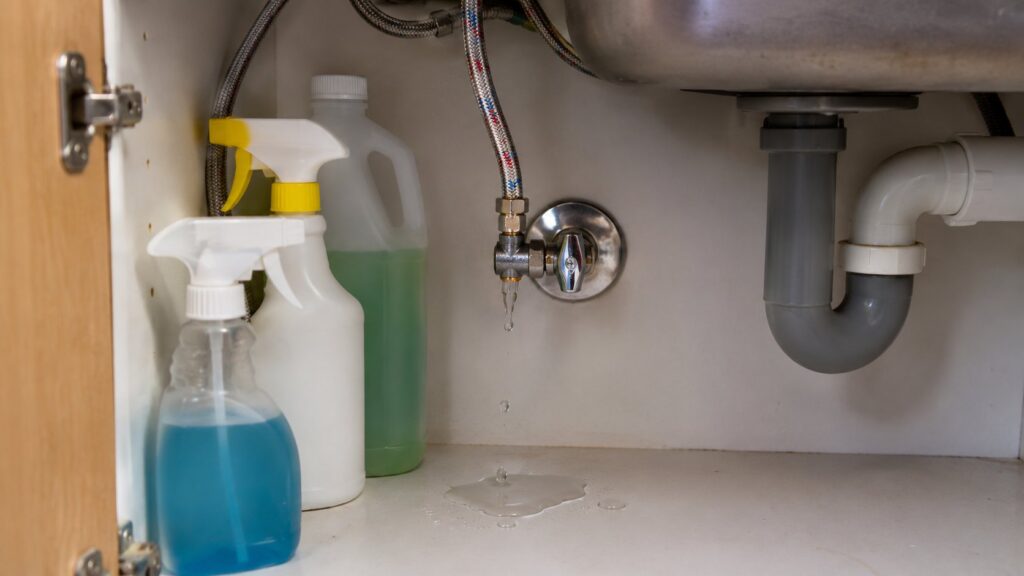
Often, yes, but not always. As a general rule, standard homeowners policies cover water damage that is sudden and accidental. A pipe that bursts, a supply line that gives out under a sink, or a washing machine hose that splits are the kinds of events many policies are written to cover.
Every policy is different, though. Your coverage, your deductible, and your exclusions are spelled out in your own policy, and your agent or insurance company is the only one who can tell you for certain what yours covers.
What kinds of water damage usually aren’t covered?
Three categories commonly fall outside a standard policy:
- Flooding. The Pennsylvania Insurance Department is clear that standard homeowners and renters insurance does not cover flood damage. Flood coverage is a separate policy, available through the National Flood Insurance Program or private insurers.
- Slow leaks and long-term seepage. Damage that builds up over weeks or months, like a drip under a cabinet or water seeping through a foundation, is generally treated as a maintenance issue rather than a sudden event.
- Sewer and drain backups. Water that backs up through drains, sewers, or an overflowing sump pump is typically excluded unless you’ve added a water backup endorsement to your policy.
What’s the difference between flood damage and water damage?
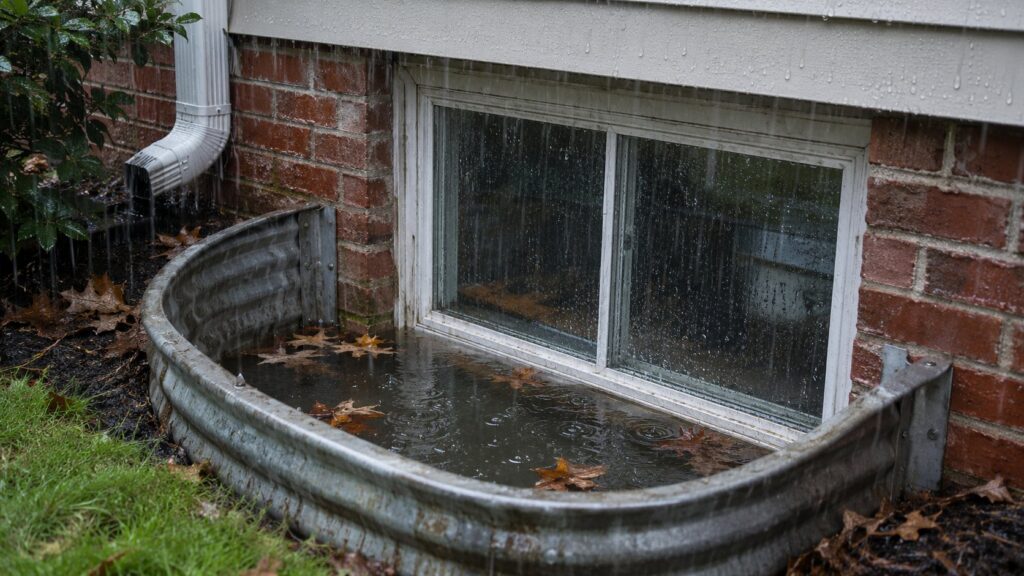
The terms sound interchangeable, but insurance companies treat them very differently. In general, water damage starts inside your home: a pipe, an appliance, a fixture. Flood damage comes from outside: surface water from heavy rain, an overflowing creek, or melting snow that moves into the house from the ground up.
That’s why two wet basements can lead to two very different claims. If a pipe bursts in your basement, many policies will respond. If rainwater flows in through a basement window well, a standard policy generally won’t, and you would need flood insurance.
What about a failed sump pump?
Coverage for a failed sump pump usually depends on whether your policy includes a water backup endorsement. We cover this in detail in Does Homeowners Insurance Cover Sump Pump Failure in Pennsylvania?
How can I find out what my policy covers before something happens?
The best time to read your policy is on a dry day. A few things worth checking:
- Your declarations page. It lists your coverages, limits, and deductibles, and any endorsements you’ve added, such as water backup.
- The exclusions section. This is where flood, seepage, and backup exclusions usually appear.
- Whether you have flood insurance. If you don’t and you’re concerned about surface water, ask your agent about it. New flood policies often have a waiting period before they take effect, so it’s not something you can add when a storm is in the forecast.
The Pennsylvania Insurance Department also suggests keeping a home inventory, since an accurate record of your belongings helps your insurance company settle a claim. If something in your policy isn’t clear, ask your agent. That’s what they’re there for.
What should I do if water damage happens?

The Pennsylvania Insurance Department’s guidance for property damage claims comes down to a few steps:
- Document it first. Before you clean up or make repairs, take photos or video of the damage.
- Prevent further damage. After documenting, make the immediate repairs needed to stop the damage from getting worse. If a pipe has burst, shut off your main water valve.
- Hold off on permanent repairs until your insurance company approves them.
- Keep every receipt for money you spend related to the damage.
- Keep notes. Write down the names and titles of everyone you talk to at the insurance company, along with the dates, and follow the instructions they give you.
You can read the full guidance in the Department’s Natural Disaster Insurance Guide.
How Pro Home Restorations handles water damage
When water gets in, our IICRC-certified team focuses on getting your home dry and back to normal:
- We respond 24/7. Water damage doesn’t wait for business hours, and neither do we.
- We document what we find, with photos and moisture readings.
- We remove the water and dry the structure with extraction equipment, air movers, and dehumidifiers.
- We work directly with your insurance company.
- We restore what was damaged, backed by our 3-year transferable warranty.
Learn more about our water damage restoration and emergency response services, or visit our Insurance page.
What areas do you serve?
We serve homeowners in Philadelphia and Delaware, Montgomery, Bucks, Chester, and Berks counties.
Dealing with water damage now?
Call us 24/7 at (484) 948-7710 or contact us online. Inspections are free.