Finding mold right before or during a home sale is stressful, especially with a settlement date on the calendar. The good news is that mold doesn’t automatically stop a sale. What matters is what you know, what you disclose, and what you do about it.
Can you sell a house with mold in Pennsylvania?
Yes. Pennsylvania law doesn’t prohibit selling a home that has or had mold. It does require most sellers to be honest about the condition of the property, and that’s where mold comes in.
Do Pennsylvania sellers have to disclose mold?

Under Pennsylvania’s Real Estate Seller Disclosure Law, a seller must disclose to a buyer all known material defects about the property that are not readily observable. The state defines a material defect as a problem that would have a significant adverse impact on the value of the property, or that involves an unreasonable risk to people on the land.
The state’s minimum Seller’s Property Disclosure Statement doesn’t use the word “mold.” It does ask directly about the conditions that usually cause it, including:
- Whether you’re aware of any past or present water leakage in the house
- Whether you’re aware of water leakage, accumulation, or dampness in the basement or crawl space
- Whether you know of any repairs or other attempts to control a water or dampness problem in the basement or crawl space
- Whether the roof has ever leaked during your ownership
- Whether you know of any other environmental concerns that might affect the property
The statement also notes that the form itself doesn’t relieve a seller of the obligation to disclose a material defect it doesn’t address. You can read the required form in 49 Pa. Code § 35.335a.
Whether a specific mold problem counts as a material defect depends on the facts. If you’re not sure what to disclose, talk with your real estate agent or a real estate attorney before you fill out the form. This article isn’t legal advice.
Will a buyer’s inspection find mold?
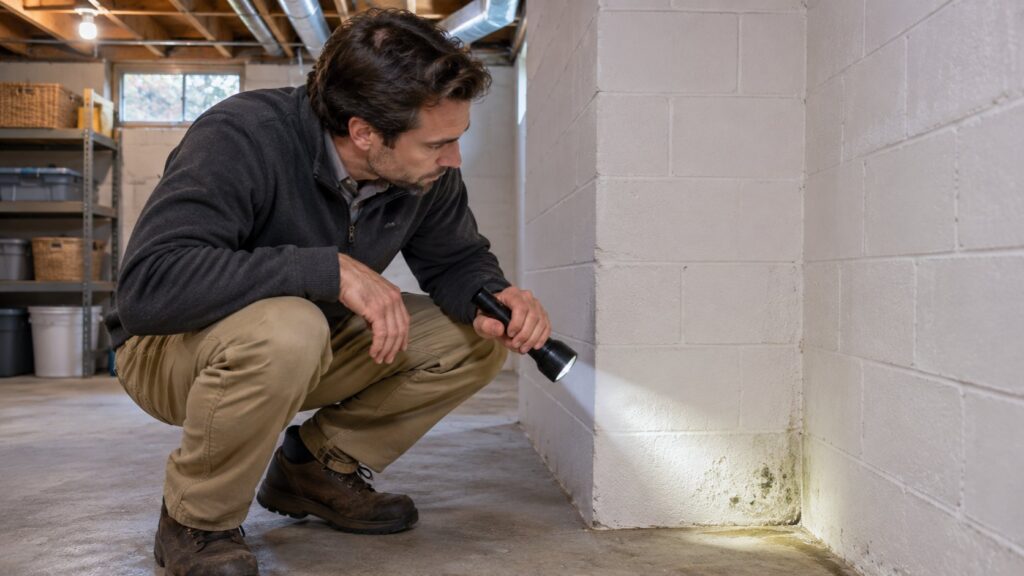
It might. Pennsylvania’s disclosure statement makes clear that it isn’t a substitute for inspections, and that buyers may have the property inspected by qualified professionals at their own expense.
A problem that turns up for the first time during the buyer’s inspection can add pressure to the timeline. Knowing about it ahead of time gives you more control over how and when it gets handled.
Should I remediate mold before listing?
That’s a decision for you and your agent, and it depends on your situation and your market. If you do address it, keep two things in mind:
- Fix the moisture, not just the mold. The EPA puts it plainly: if you clean up the mold but don’t fix the water problem, the mold will most likely come back.
- Keep records. Save the paperwork from any remediation and repairs. It helps you answer the disclosure questions accurately and gives buyers a clear picture of what was done.
Remediating doesn’t erase what you knew. The disclosure form asks about past water problems and past repair attempts, not just current ones, so talk with your agent about how to disclose work that’s been done.
How Pro Home Restorations handles mold during a home sale
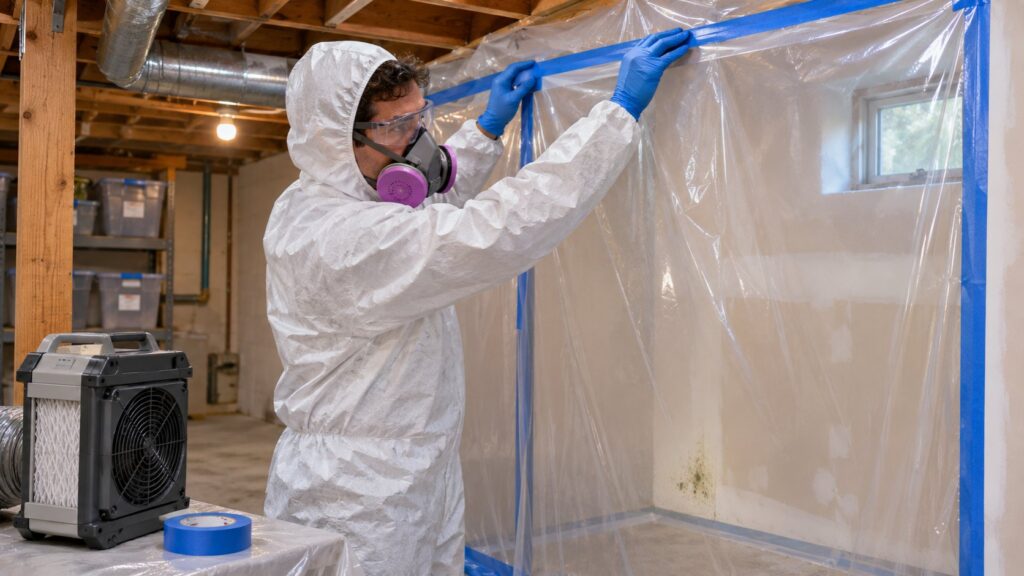
We work with homeowners, real estate agents, and lenders when mold turns up during a sale. Our IICRC-certified team:
- Inspects for free to confirm what’s there.
- Contains the area so mold isn’t spread to the rest of the house during the work.
- Removes the mold safely.
- Moves quickly, because we know a settlement date is on the line.
Learn more about our mold testing and remediation services, or read why painting over mold doesn’t solve it.
What areas do you serve?
We serve Philadelphia and Delaware, Montgomery, Bucks, Chester, and Berks counties.
Found mold before settlement?
Call us 24/7 at (484) 948-7710 or contact us online for a free inspection.